Calligraphy is the conscience of Arab-Islamic civilization

Articles

Selected writing on Arabic calligraphy, manuscripts, and the history of Islamic art, drawn from the work of Dr. Mohamed Hassan.

Islamic Art History

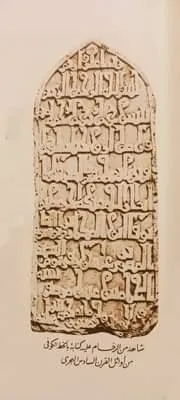
A Fatimid Tombstone in Floriated Kufic

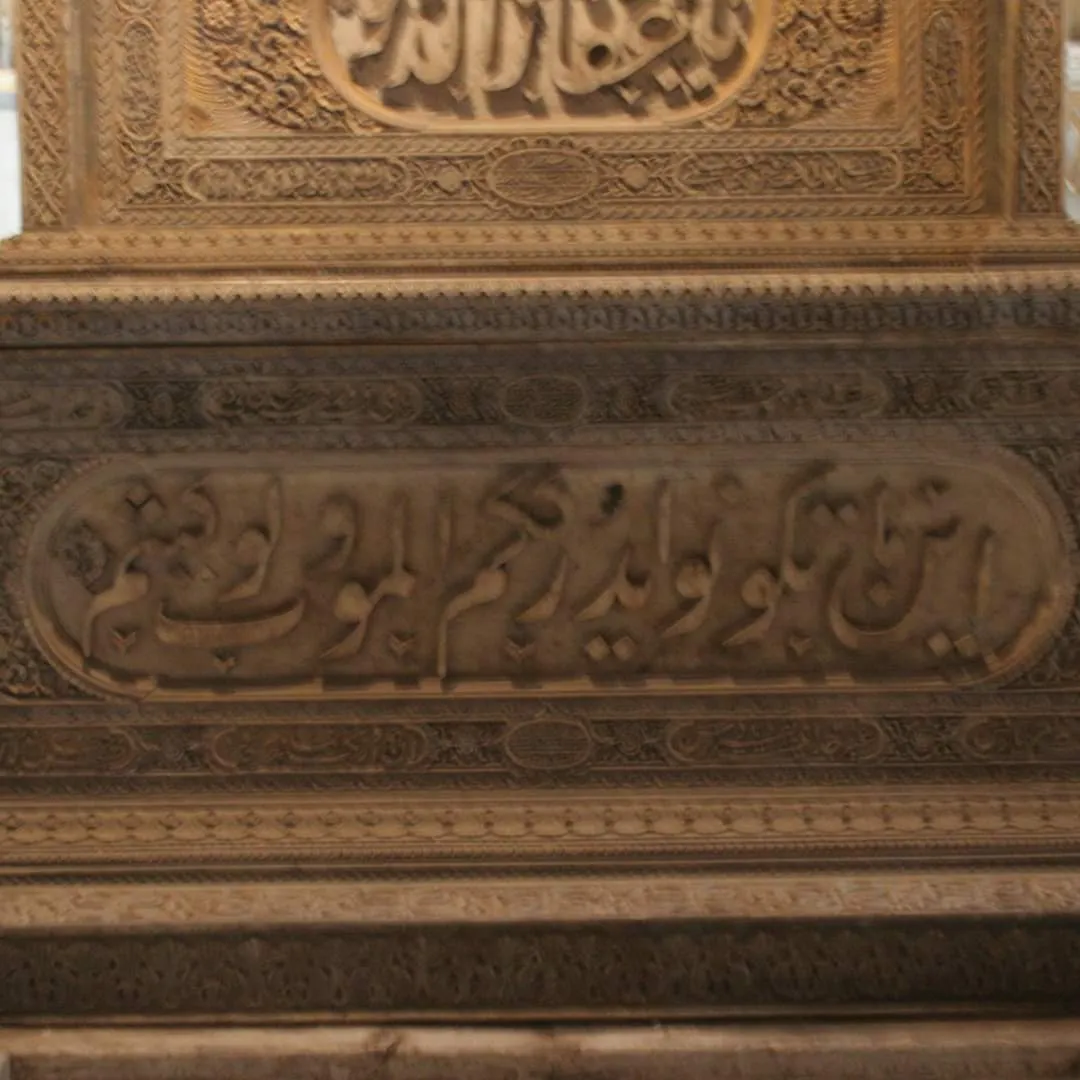
One of the finest Fatimid marble tombstones, its floriated Kufic inscription marking the height of mastery under the Fatimid state — bearing the name of Abu al-Makarim ibn Abi al-Qasim al-Misri ibn Ashur.

Continue reading
Arabic Scripts

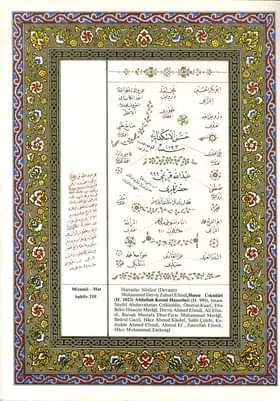
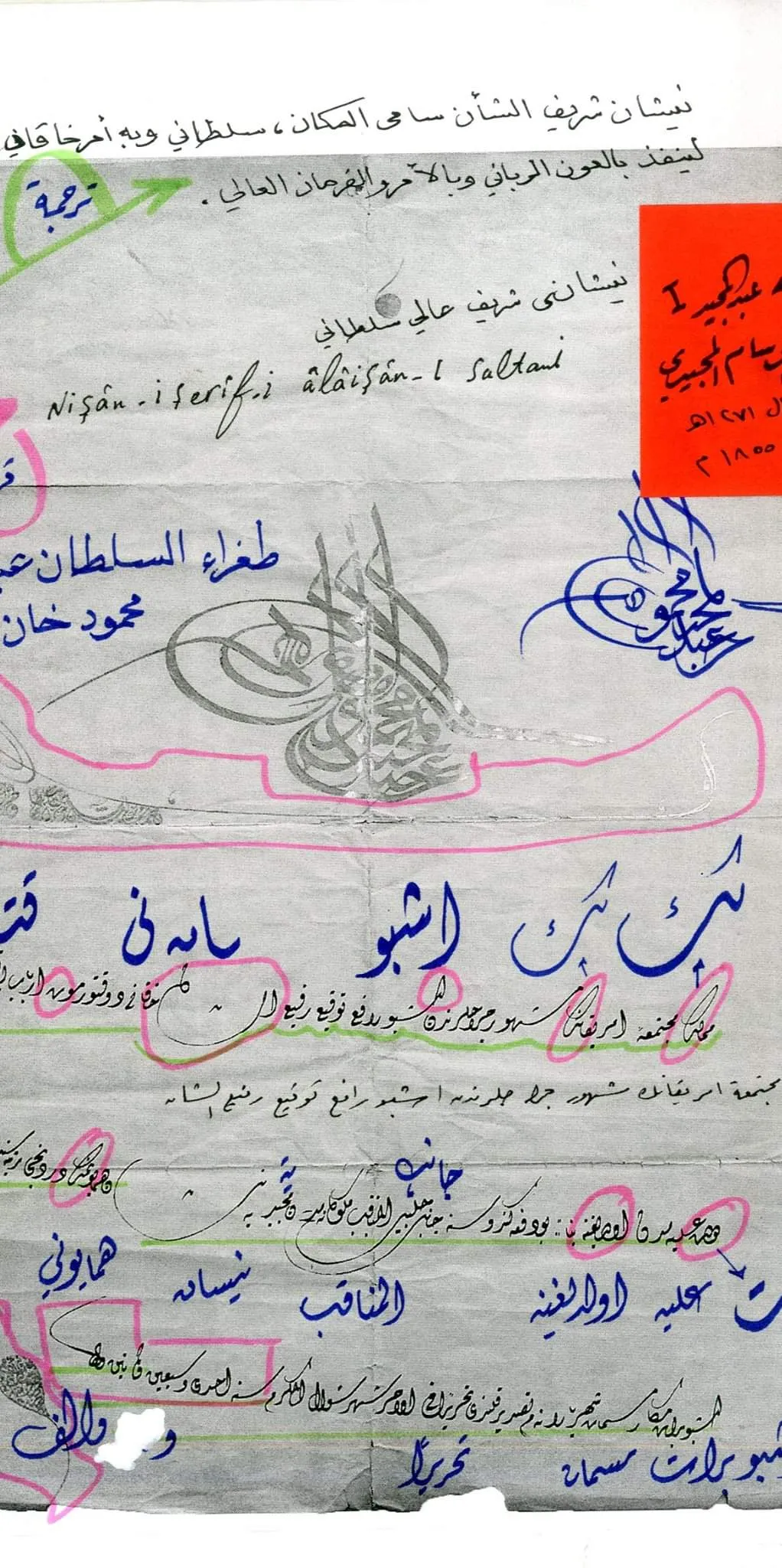
The Ottoman Ferman: Three Scripts in One Document

A sultanic ferman that brings together three scripts — the tughra, jali diwani, and diwani — and opens a window onto diplomatics, paleography, and the calligraphic study of Ottoman chancery documents.

Continue reading
Arabic Scripts

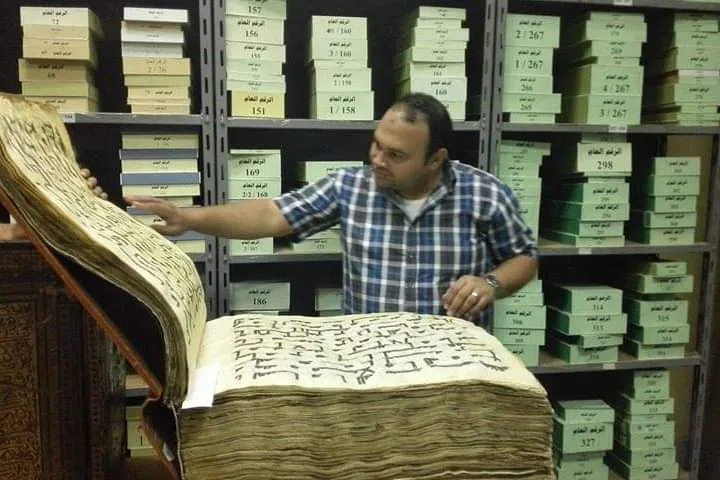
The Ottomans and the Nasta'liq Script

The Ottomans handled the nasta'liq — the script Egyptians call 'Persian' — with great artistry. Beyond its celebrated jali form lies a less-studied story: its exclusive use in the correspondence of the Şeyhülislam.

Continue reading
Arabic Scripts

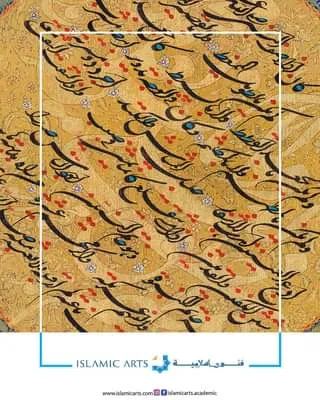
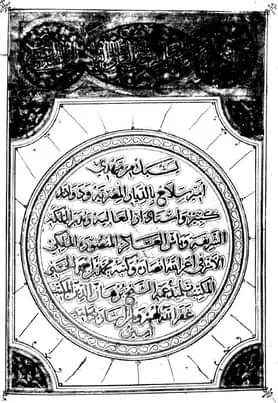
The Mahmudiyya Canal Text and the Ottoman Taʿliq Script

The Mahmudiyya Canal text is among the rare inscriptions of Lower Egypt, written by the military judge Yesarizade Mustafa Izzet (1849) — a model of Ottoman Taʿliq, the Persian script in the Ottoman-Turkish manner.

Continue reading
Arabic Scripts

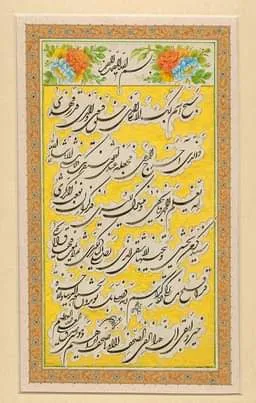
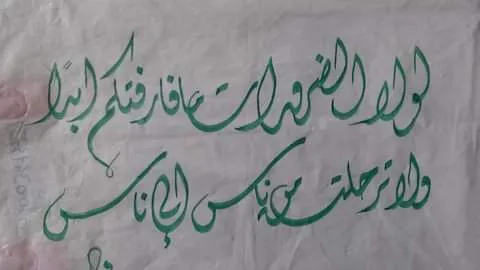
Shikaste: The Beauty of the Persian Script

Shikaste — the beauty the eye never forgets and insight never misses — among the finest and most splendid manifestations of the art of Persian calligraphy.

Continue reading
Arabic Scripts

The Ghazlani Diwani Script

Specimens written in the Diwani — and the Ghazlani Diwani in particular — are rare. This artistic script is among the most distinctive features of the art of the Muhammad Ali dynasty (1805–1952).

Continue reading
Manuscripts & Qurʼans

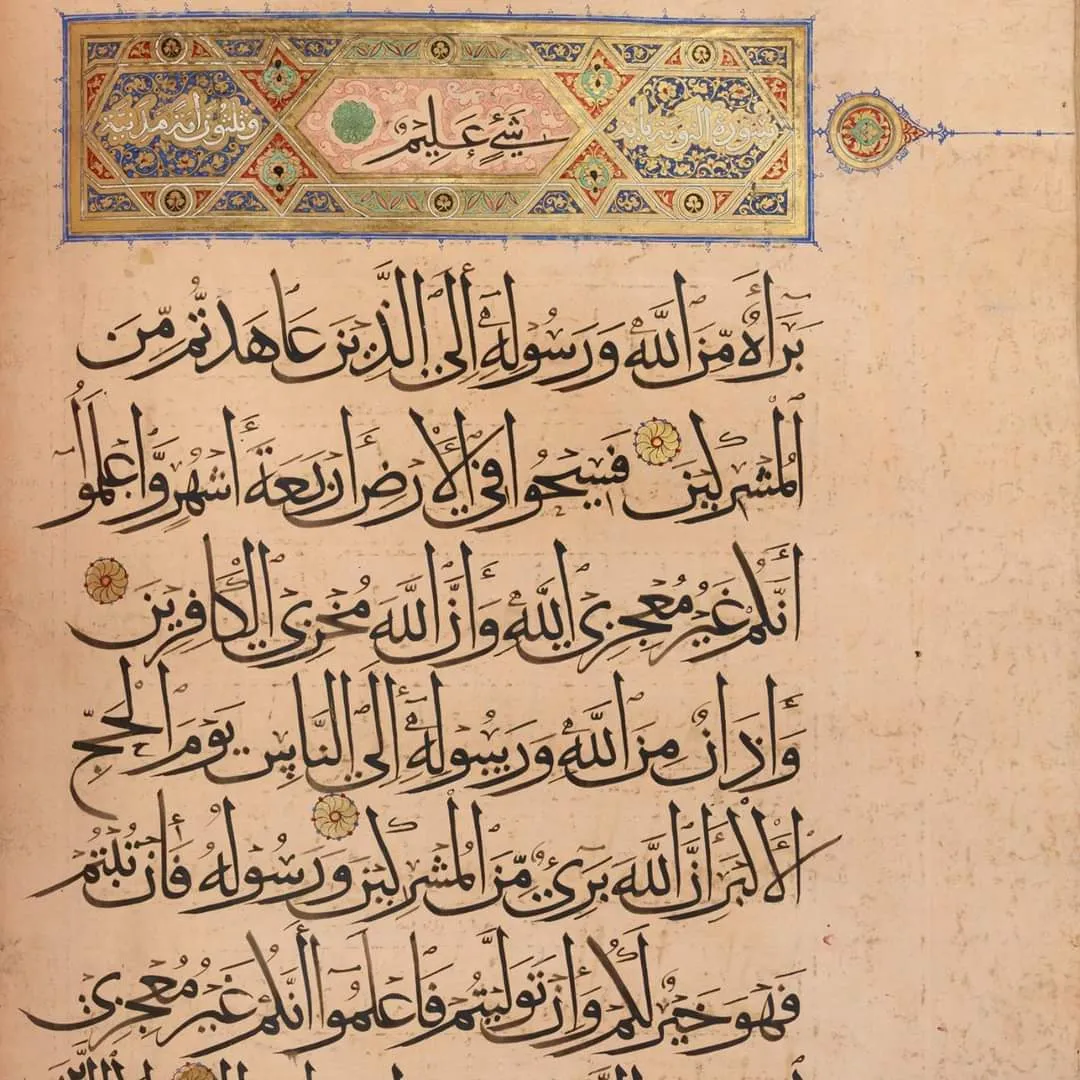
The Arts of the Mamluk Manuscript

The Mamluk manuscript and its various arts played an important role in shaping the Arab-Islamic book, and greatly influenced the output of non-Muslims who lived under the Islamic state.

Continue reading
Manuscripts & Qurʼans

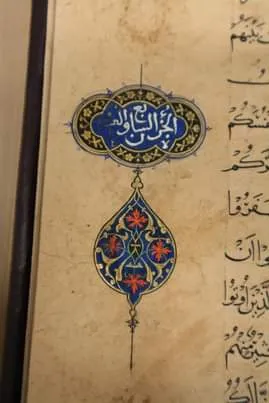
An Abbasid Qur'an with Mamluk Illumination

One of the most beautiful Qur'ans I have worked on — copied in the late Abbasid period and illuminated in Mamluk Egypt, a manuscript that renewed my research thinking.

Continue reading
Manuscripts & Qurʼans

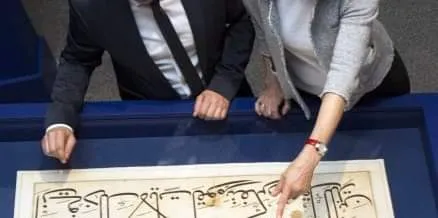
A Page from the Romance of Islamic Art

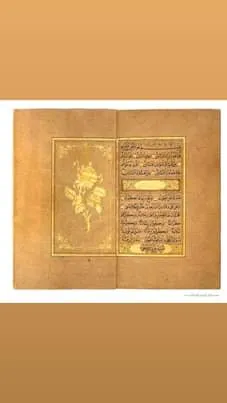
The story of a Qur'an that Sultan Abdülhamid II gave to his wife on their marriage — opening it to choose her name from a verse — a glimpse of the human romance within every piece of art.

Continue reading
Codicology & Paleography

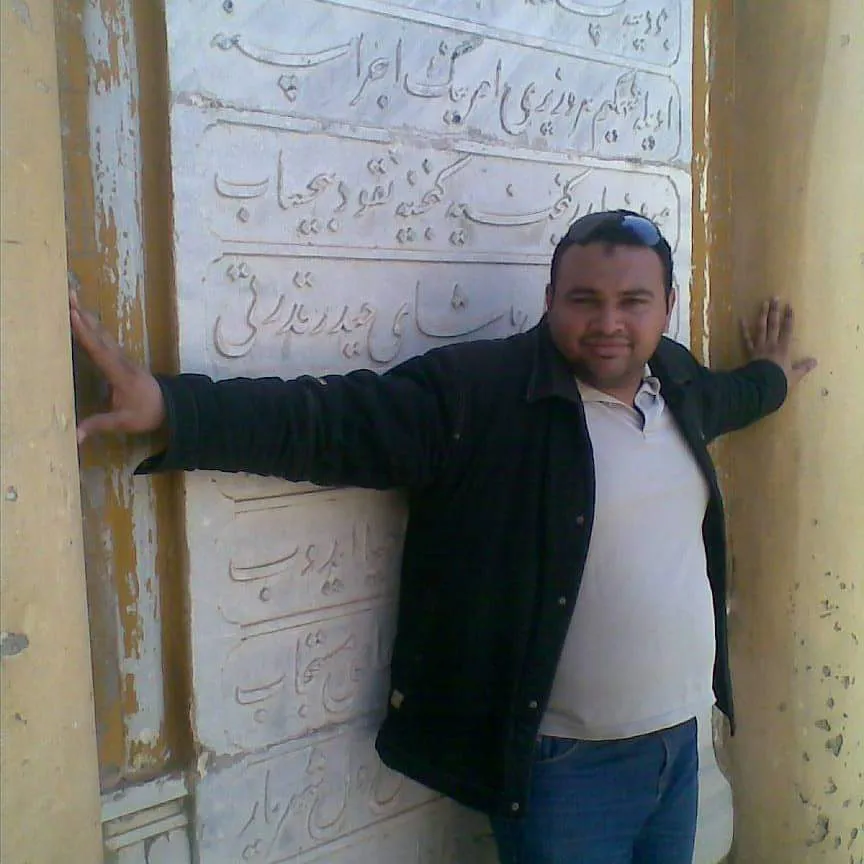
First Steps in Paleography: Comparative Reading

The first steps in learning to read old or uncommon scripts — comparative reading between similar texts, with Qur'anic texts as the most useful basis for comparison.

Continue reading
Codicology & Paleography

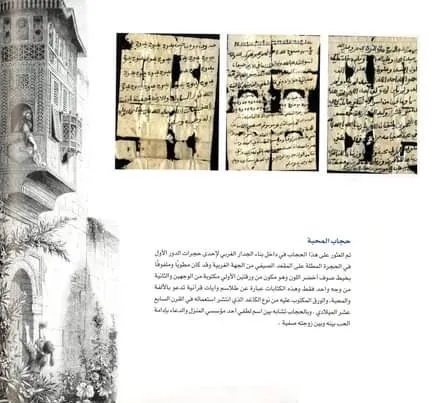
Amulets: An Authentic Paleographic Source

Amulets are among the most beautiful written objects and an authentic paleographic source — where the historical, the human, the archaeological, popular piety, and sociology all intertwine.

Continue reading
Islamic Art History

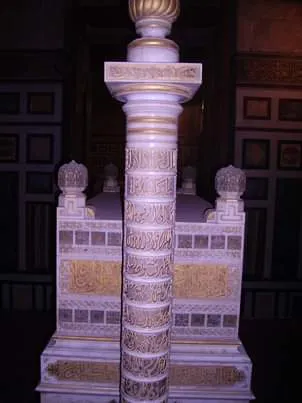
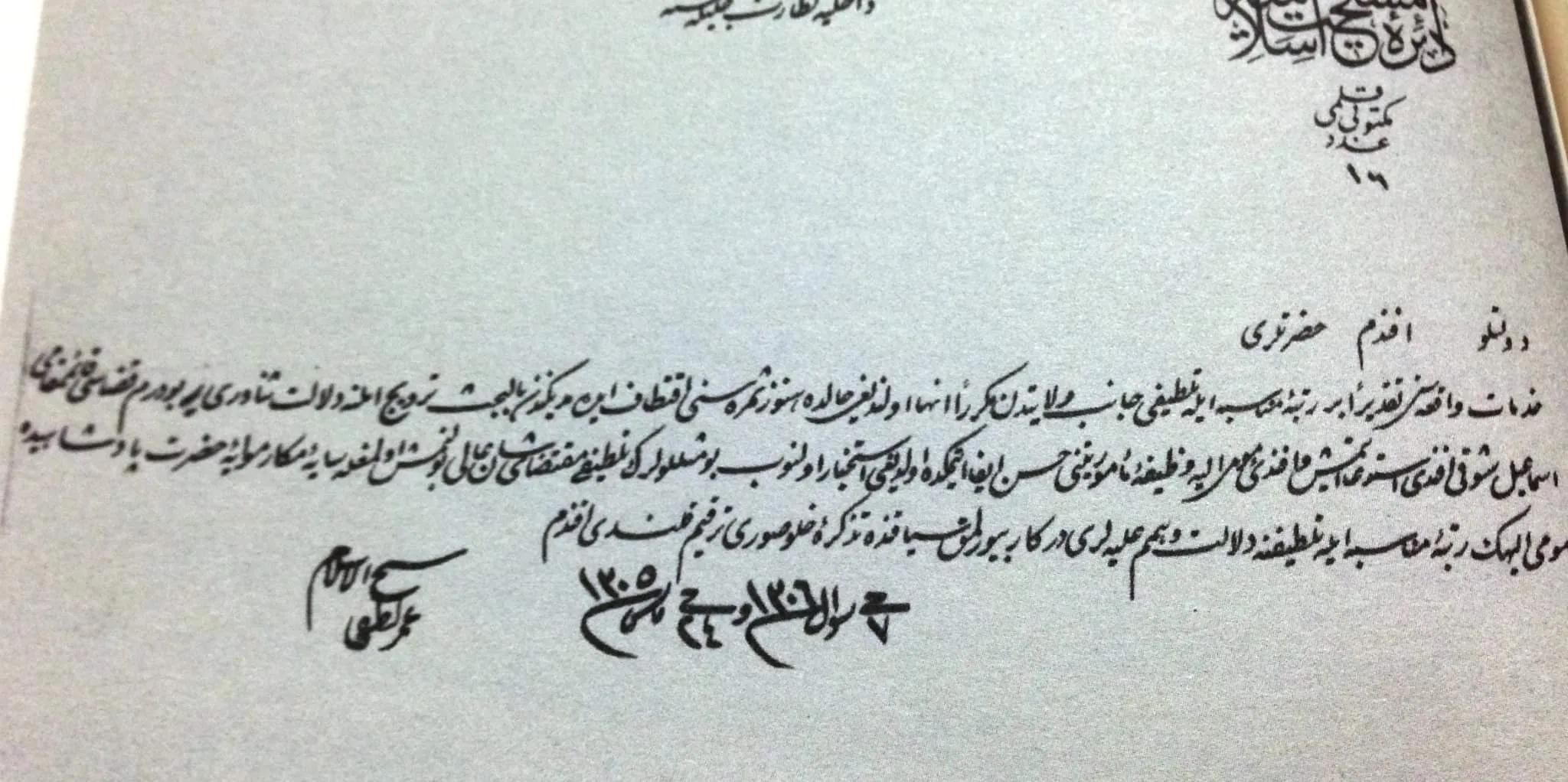
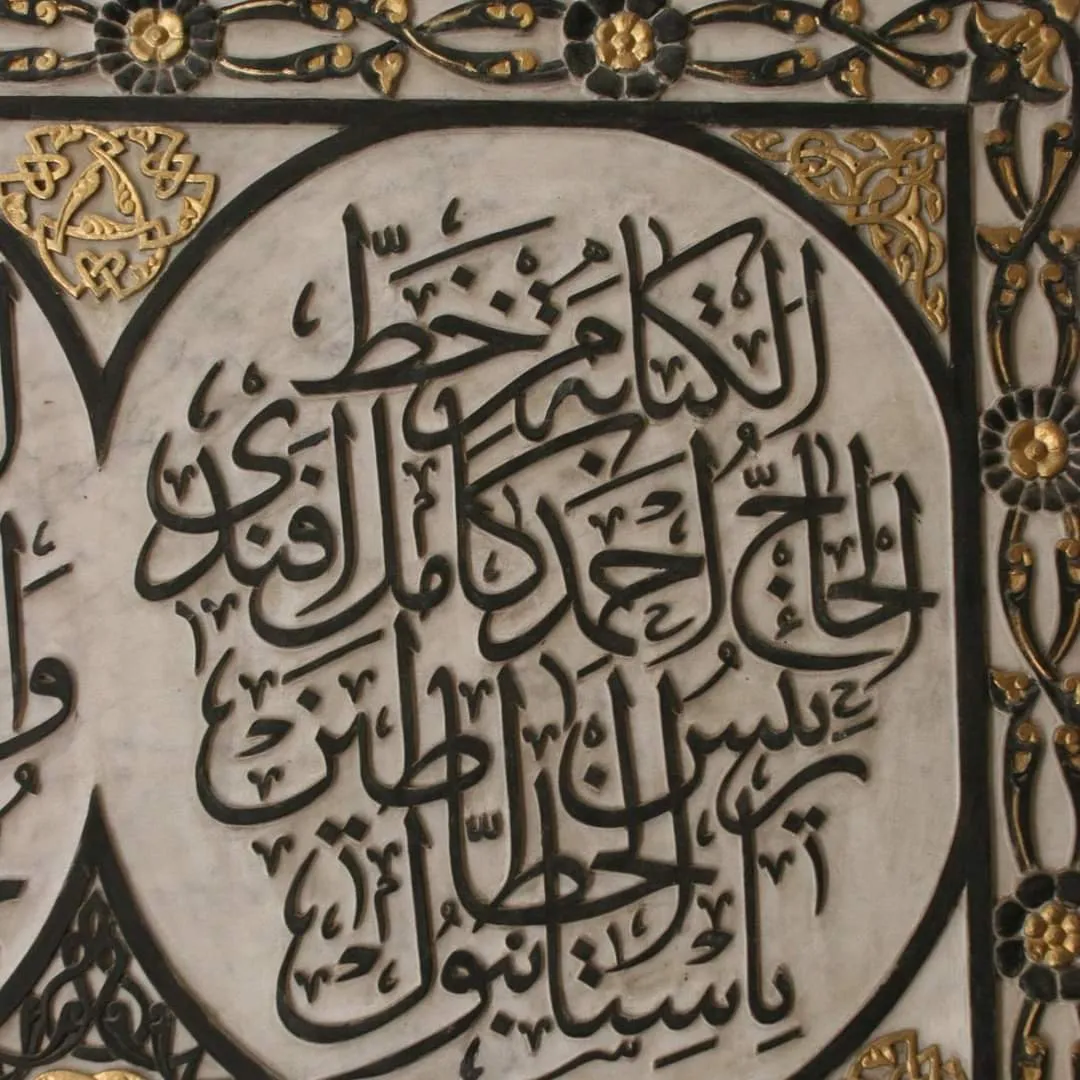
The Inscriptions of Hajj Ahmad al-Kamel in the Manial Palace Mosque

The inscriptions of Hajj Ahmad al-Kamel, chief of calligraphers, in the mosque of Prince Mohamed Ali at the Manial Palace — a state of artistic and spiritual serenity that renders the talent of the last chief calligrapher of the Ottoman state.

Continue reading
Masters of Calligraphy

Al-Zahir Baybars and the Calligrapher Mamluk

It is related that when a merchant brought the young amir Badr al-Din Bilik to Sultan al-Zahir Baybars to sell him, the youth wrote a verse so apt that the sultan raised his price.

Continue reading
Masters of Calligraphy

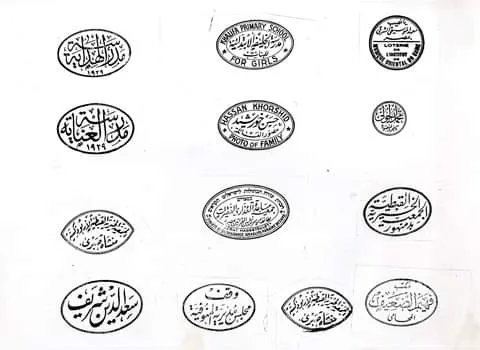
Sayed Ibrahim and the Arts of the Seal

Sayed Ibrahim, dean of Arabic calligraphy, kept a copy of every seal he designed — leaving three large volumes containing hundreds, even thousands, of seals for the most important Egyptian and Arab figures and institutions of the early twentieth century.

Continue reading
Masters of Calligraphy

Imam Jalal al-Din al-Suyuti and Arabic Calligraphy

The calligrapher Mustafa Hilmi Efendi, known as 'Hakkakzade,' author of Mizan al-Khatt, placed Imam al-Suyuti within a calligraphic lineage — yet al-Suyuti himself wrote of calligraphy in a different sense.

Continue reading